
About Dr. Kimberly Mims
Dr. Kimberly Mims is a board-certified sleep doctor and sleep medicine physician dedicated to helping adults in North Carolina and Alabama sleep better and feel better during the day.
She brings specialty training and clinical experience in evaluating insomnia, sleep apnea, and complex sleep disorders — with an emphasis on clear explanations, careful listening, and individualized care.
Our approach
At Luminary Sleep, we look at the whole picture: sleep patterns, medical conditions, medications, mental health, hormones, and lifestyle. The goal is sustainable sleep quality, not a rushed pathway to a single test or device.
K. Nicole Mims M.D.
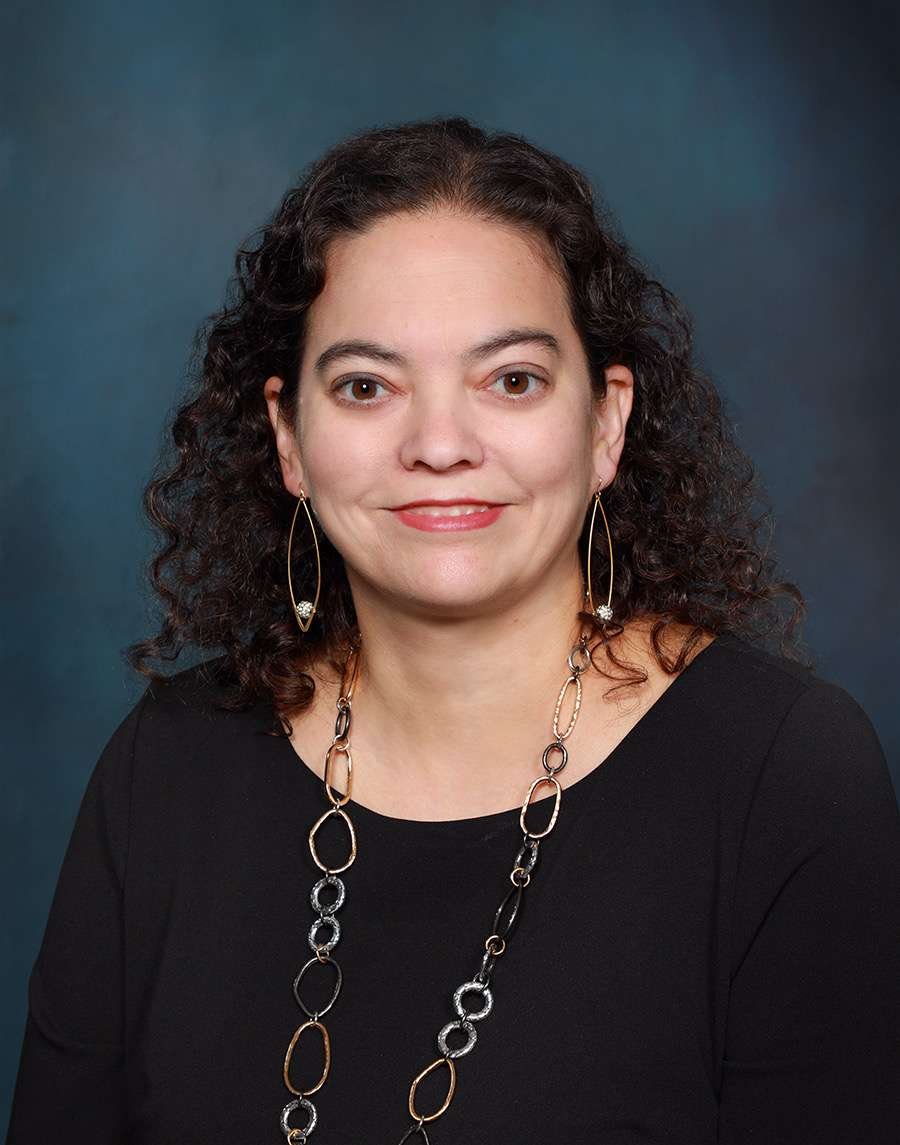
Dr. K. Nicole Mims began her medical journey at the University of Alabama School of Medicine in Birmingham, Alabama, where she developed a strong foundation in medicine and a deep appreciation for the privilege of caring for others. She went on to complete her neurology residency at Virginia Commonwealth University in Richmond, Virginia, followed by a fellowship in sleep medicine and epilepsy at Duke University.
From 2013 through 2026, Dr. Mims practiced sleep medicine within a large healthcare system in North Carolina, caring for more than 2,000 patients each year. These years were professionally rewarding and personally formative. Alongside her medical career, Dr. Mims built a family and raised two children, experiences that deepened her understanding of the many demands women carry throughout different stages of life.
Over time, however, she became increasingly aware of a gap in the traditional healthcare model, particularly for patients struggling with insomnia. Despite the significant impact poor sleep can have on physical health, emotional well-being, and quality of life, Dr. Mims found that there was simply not enough time for individualized support to fully address the underlying issues.
In the later years of her practice, Dr. Mims became especially drawn to caring for perimenopausal and menopausal women. She saw firsthand how the hormonal and life changes of this transition can intersect with insomnia, fatigue, weight gain, and other concerns—often leaving women feeling unlike themselves and frustrated by fragmented approaches to their care.
These experiences led her to envision a different kind of practice: one centered on listening, understanding the whole person, and having the time to thoughtfully address the factors affecting a woman’s health and well-being. She wanted to offer care that was not only evidence-based, but also personal, compassionate, and tailored to each woman’s individual needs and goals.
With encouragement from the women in her mahjong community, she found the confidence to take that next step and create the kind of practice she envisioned—one where she could care for women more deeply, build meaningful relationships with her patients, and help them feel heard, understood, and empowered in their health journey.